
The Rise of AI in Creative Agencies
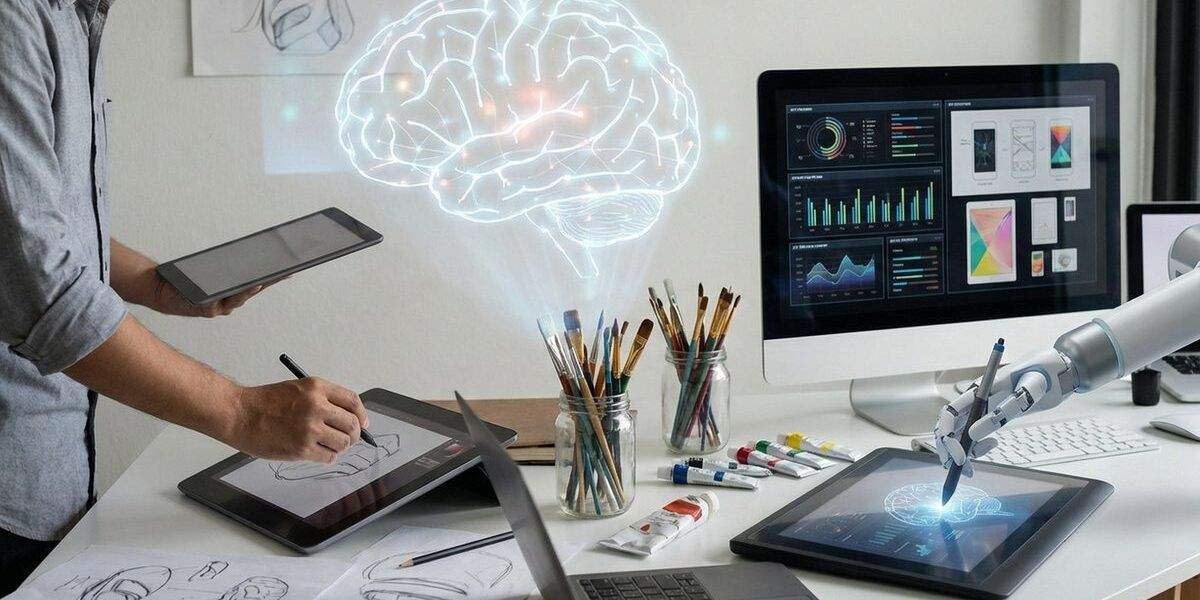
Forget the hot takes. AI isn’t replacing creative agencies, and it isn’t a passing fad. The reality is more nuanced and more interesting than either extreme. Here’s what’s actually happening inside agencies that are using AI effectively.
Where AI Adds Value
Ideation Acceleration
AI tools are excellent at generating volume. Need fifty headline variations? A hundred thumbnail concepts? AI produces options in seconds that would take a human team hours. The creative director’s role shifts from generating ideas to curating and refining AI-generated options.
Production Efficiency
Image generation, copywriting first drafts, layout variations, social media asset resizing — production tasks that consumed junior creative time are increasingly handled by AI. This frees junior creatives to participate in strategic and conceptual work earlier in their careers.
Data-Driven Optimisation
AI analyses campaign performance data and identifies patterns that humans miss. Predictive models suggest creative adjustments before performance dips become visible in standard reporting. The feedback loop between creative production and performance data has tightened dramatically.
Where AI Falls Short
Strategic Thinking
AI can synthesise information, but it can’t develop strategy. Understanding a brand’s position, cultural context, competitive dynamics, and audience psychology requires human judgment. Strategy remains a distinctly human discipline.
Emotional Resonance
AI can mimic emotional content, but it can’t feel. The difference shows in the work — AI-generated creative that looks right but doesn’t feel right. Audiences may not articulate the difference, but their engagement patterns reveal it.
The Hybrid Model
The agencies succeeding with AI treat it as a creative tool, not a creative replacement. Human strategy, human concept development, human emotional intelligence — augmented by AI speed, AI scale, and AI pattern recognition. The hybrid model produces more work, faster, without sacrificing quality.
Related
AI is only part of the picture. See Data-Driven Creativity: Why Numbers Need Narratives for the human side of data in agencies, and The State of Digital Creative in 2026 for the broader industry context.