
The Death of the Banner Ad (And What Replaced It)
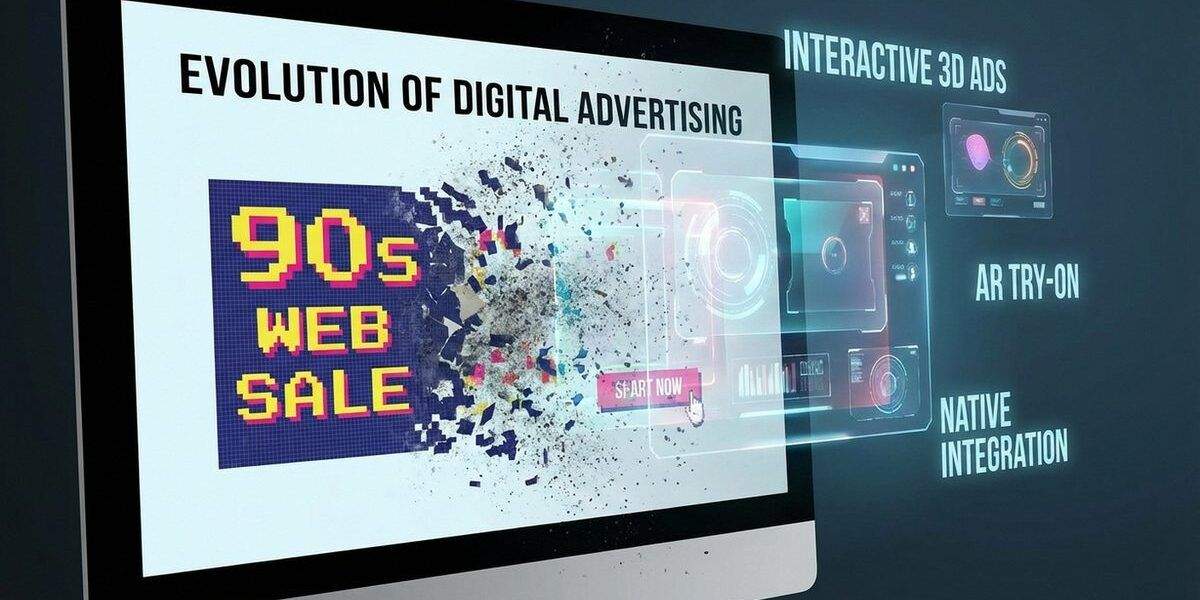
The banner ad turned 30 recently. It’s still alive, technically — in the way that fax machines are still alive. They exist, they function, but they’re no longer where the action is. Here’s what replaced them.
The Banner’s Decline
Banner blindness became a documented phenomenon in the late 2000s. Users literally stopped seeing banner ads — eye-tracking studies showed that people’s gaze patterns actively avoided standard ad placements. The industry responded with bigger ads, more intrusive formats, and interstitials that users had to dismiss. Each escalation further eroded trust and attention.
What Replaced It
Native Advertising
Content that matches the editorial format of the platform it appears on. When done well, native ads provide genuine value while achieving brand objectives. When done badly, they’re just banners pretending to be articles.
Social Media Advertising
Ads designed for social feeds benefit from the platform’s natural engagement mechanics. The best social ads are indistinguishable from organic content — they earn attention rather than demanding it.
Creator Partnerships
Brands partnering with content creators achieve reach and credibility that traditional advertising can’t match. The creator’s audience relationship transfers to the brand, providing a trust shortcut that no banner ad ever achieved.
Interactive and Shoppable Formats
Ads that do something — AR try-ons, product configurators, interactive quizzes — generate engagement rates that make banners look prehistoric. The premium is higher, but the ROI justifies it.
What’s Next
The trajectory is clear: advertising is becoming less interruptive and more integrated. The brands winning attention in 2026 are those creating content and experiences that people choose to engage with, not those buying screen real estate and hoping for eyeballs.