
The Virtual Reality Renaissance: Beyond the Hype
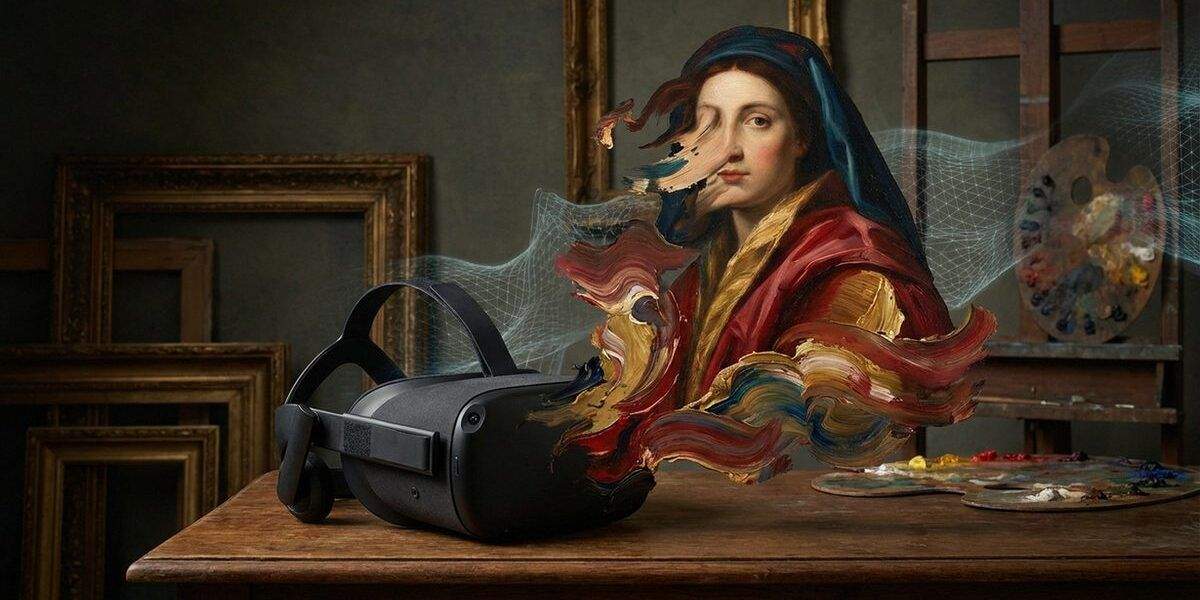
Virtual reality was going to change everything. Then it didn’t. Then everyone wrote it off. And now, quietly, VR is finding its genuine use cases — not as a replacement for reality, but as a complement to it.
The Hype Cycle
VR’s journey through the Gartner hype cycle has been textbook. Peak inflated expectations around 2016, a steep slide into the trough of disillusionment, and a gradual climb up the slope of enlightenment. We’re now in the productive plateau — where the technology is mature enough and the expectations realistic enough for genuine value creation.
Where VR Actually Works
Training and Simulation
VR’s strongest use case. Medical training, hazardous environment simulation, complex equipment operation — scenarios where real-world practice is expensive, dangerous, or impossible. The results are measurable: VR-trained professionals perform better and retain knowledge longer.
Immersive Storytelling
Documentary and journalism have found compelling VR applications. Placing the audience inside a story creates empathy and understanding that flat-screen media can’t match. The UN’s VR experiences of refugee camps changed donation patterns among viewers.
Retail and Real Estate
Virtual showrooms, property tours, and product configurators are solving real commercial problems. The ability to experience a space or product before committing is genuinely valuable — not a gimmick, but a practical tool.
Where VR Still Struggles
Social VR hasn’t found its mainstream moment. Extended-use comfort remains an issue. Content creation is expensive. And the gap between VR experiences and the rest of the internet creates a friction that limits casual adoption.
For Creative Brands
The opportunity is in specific, high-value applications rather than broad platform bets. A VR experience for a product launch, an immersive brand story, a virtual event — these work because they offer something screens can’t. The mistake is treating VR as a channel rather than a tool for specific creative challenges.