
Campaign Autopsy: When Big Ideas Fail
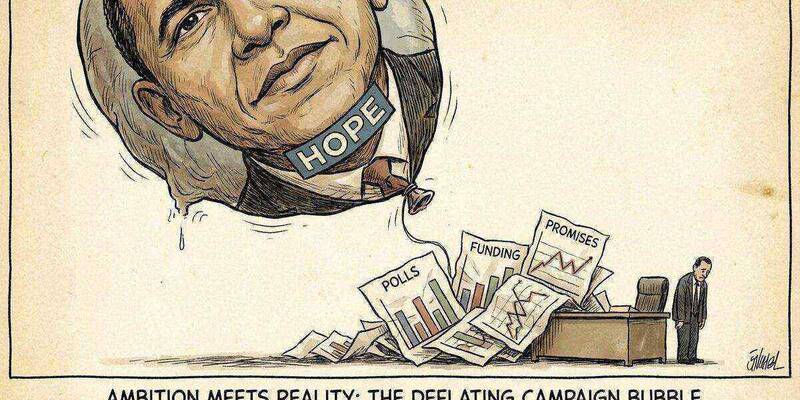
The marketing industry has a failure problem — not too much failure, but too little honesty about it. Award shows celebrate success. Case studies highlight wins. But the campaigns that fail often teach us more than the ones that succeed. Here are the patterns.
Why Campaigns Fail
The Insight Wasn’t Real
The most common failure mode. A campaign built on an insight that sounds plausible in a boardroom but doesn’t reflect how people actually think or behave. “Millennials value experiences over things” is the kind of insight that’s true enough to be dangerous — true enough to build a campaign on, not specific enough to make the campaign effective.
The Creative Leap Was Too Far
There’s a difference between creative bravery and creative disconnection. A campaign that requires three sentences of explanation before the audience understands why it’s relevant has taken a leap the audience can’t follow.
Wrong Channel, Right Idea
Great ideas in wrong environments. A concept perfect for long-form storytelling crammed into a six-second pre-roll. A social-first idea forced into a TV spot. Channel-creative fit is as important as brand-creative fit.
Timing
A campaign that launches into a cultural moment it hasn’t anticipated. A playful campaign during a crisis. A serious campaign during a celebration. The external context can destroy an otherwise solid campaign.
Famous Failures
Pepsi’s Kendall Jenner protest ad. McDonald’s dead dad ad. Snapchat’s “Would You Rather?” domestic violence ad. Each failed for a different specific reason, but all shared a common root: a failure to consider how the campaign would be received by real people in real contexts.
Building in Failure Prevention
- Test concepts with real audiences, not just internal teams
- Include diverse perspectives in creative development
- Conduct a pre-mortem: “Imagine this campaign failed. Why?”
- Have a kill switch — know when and how to pull a campaign that’s misfiring
The Value of Honest Post-Mortems
Organisations that conduct honest post-mortems after failures improve faster than those that sweep failures under the carpet. The goal isn’t blame — it’s learning. Every failed campaign contains lessons that, if captured and shared, prevent the next failure.
Further Reading
Not every campaign fails, of course. See What Makes a Campaign Go Viral in 2026 for the other side of the coin, and The Art of the Brand Film for how storytelling drives campaign success.