
Social-First Design: Building for Feeds, Not Pages
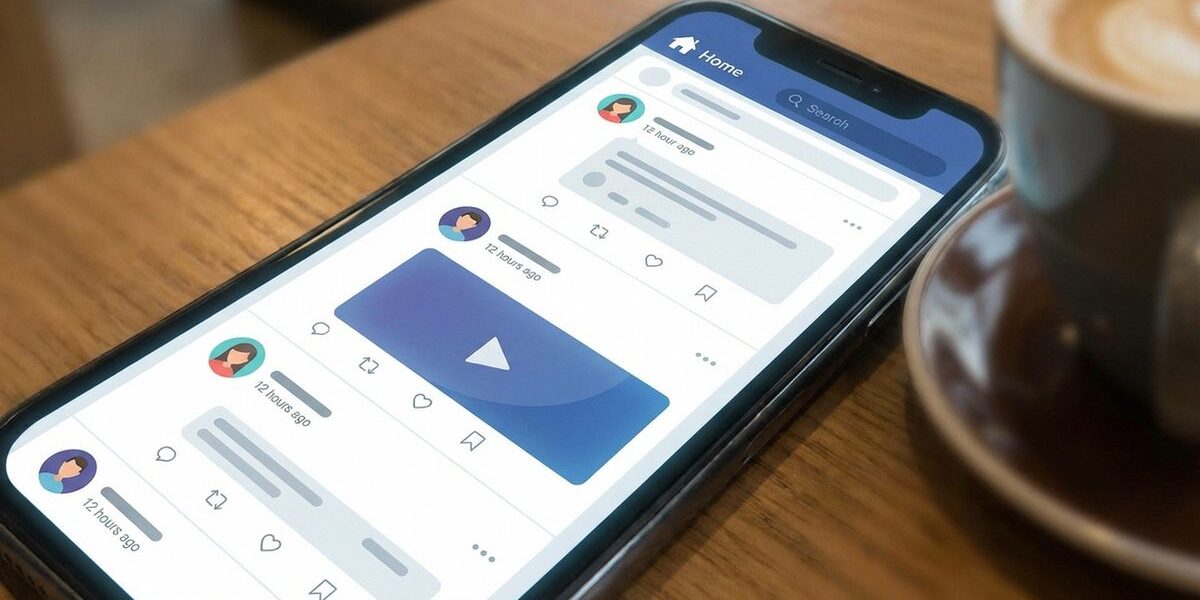
Here’s a question that reveals a lot about an organisation’s digital maturity: when your design team starts a new project, do they design the website first or the social content first? If the answer is ‘website’, you’re probably leaving performance on the table.
The Social-First Shift
For most brands, social media generates more impressions than their website. More people encounter the brand in a feed than on a URL. Yet the design process still typically starts with web design and adapts — often poorly — for social. Social-first design inverts this priority.
What Social-First Means
It doesn’t mean abandoning your website. It means designing visual assets, content formats, and brand expressions for the context where most people will encounter them. That context is a scrolling feed on a mobile phone.
Design Implications
- Bold, high-contrast visuals that read at small sizes
- Typography that’s legible on mobile without zooming
- Video formatted for vertical viewing
- Self-contained content that doesn’t require context from a parent page
- Thumb-friendly interactions
Content Implications
Social-first content is modular. Each piece works independently while contributing to a larger narrative. The old model of ‘campaign microsite plus social posts pointing to it’ is being replaced by ‘social-native content with a website as the backstop for deeper engagement’.
The Organisational Challenge
Going social-first requires changing how creative teams think about hierarchy. The website isn’t the master and social isn’t the adaptation — they’re parallel channels with different design requirements. Teams that embrace this produce more effective work on both channels.
Related
Social is just one piece of the puzzle. See how brands use interactive experiences to engage audiences beyond the feed, and why the traditional banner ad is losing ground to these new formats.