
Remote Creative Teams: Tools, Tips and Workflows
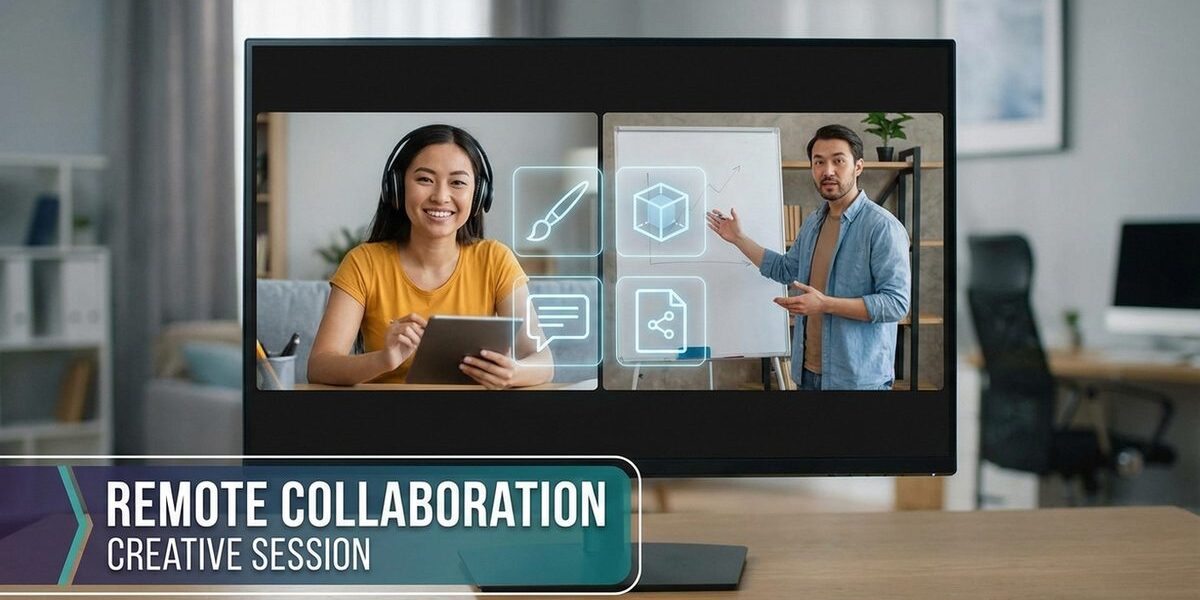
Remote creative work was supposed to be impossible. Creative teams need whiteboards, printouts on walls, spontaneous conversations — or so the thinking went. Five years into the remote experiment, we know that’s not quite true. Remote creative teams can produce excellent work. But it requires deliberate effort in areas that in-office teams take for granted.
The Communication Challenge
In-office creative teams communicate constantly — informal feedback, overheard conversations, the quick “come look at this” moments that refine work incrementally. Remote teams lose this ambient communication. The fix isn’t more meetings — it’s better asynchronous communication.
Async-First Workflows
- Share work-in-progress in shared channels, not just in review meetings
- Record short video walkthroughs of creative work (Loom is your friend)
- Write design rationale alongside the designs
- Create ‘open studio’ time — cameras on, working simultaneously, available for quick feedback
Tools That Work
For Creative Collaboration
Figma remains the standard for real-time design collaboration. Its commenting system and version history replace the Post-it-covered wall. Miro handles the brainstorming and workshop functions that physical whiteboards used to serve.
For Communication
Slack for daily communication, but with discipline — dedicated channels for projects, not everything in #general. Notion or Confluence for documentation and decision logging.
For Review
Frame.io for video review. InVision or Figma prototypes for interactive work. The key is providing feedback in context — on the work itself, not in a separate email thread.
Maintaining Creative Energy
The hardest thing to replicate remotely is creative energy — the buzz of a team that’s excited about an idea. Strategies that help:
- Start projects with a synchronous kickoff — energy is contagious in real-time
- Share inspiration frequently — a dedicated #inspiration channel with low-pressure sharing
- Celebrate wins visibly — remote teams miss the office celebrations that build morale
- Meet in person periodically — quarterly or biannual offsites for relationship building
What Remote Does Better
It’s not all compromise. Remote creative teams often produce better individual work — fewer interruptions, deeper focus, more time for thinking. The challenge is ensuring that individual quality translates into collective quality. The teams that crack this balance are producing work that rivals any in-office agency.
Related Guides
Good remote work starts with good briefs. Grab our Creative Brief Template for a proven structure. And for how AI tools are changing remote workflows, see The Rise of AI in Creative Agencies.